Sally Jenkins pens a must-read column (thanks reader John) on the state of American golf and tennis player development and opens with a nice play on one of her old man's great lines: "There’s nothing wrong with American tennis and golf that a double-dip recession can’t cure."
This, I've heard from a few college golf coaches and credit Stanford's Conrad Ray for having the guts to say what so many other would like to say:
When I asked Stanford University golf Coach Conrad Ray why international players are winning majors while young Americans are not, he suggested I check out the Web site for the Sage Valley Invitational. It’s the most prominent tournament for juniors in America, and it’s a lovely event — maybe too lovely. It’s held on a beautifully groomed course designed by Tom Fazio.
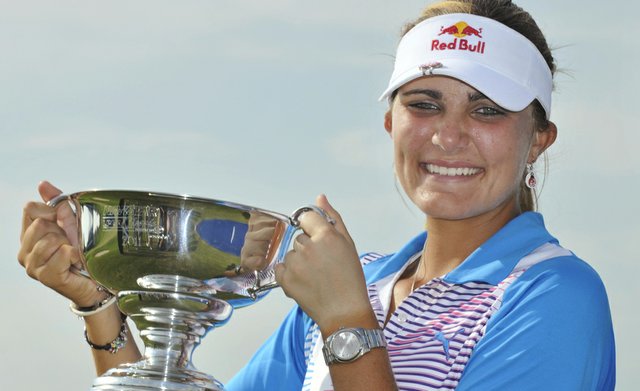
This year’s field of 54, who ranged in age from 14 to 18 and included 15 foreigners, got personalized lockers in the clubhouse, and top caddies to carry clubs and tend their pins. The sponsor Electrolux paid for all of their travel and expenses, and they were showcased by CBS in a taped hour-long broadcast. The winner’s trophy and blazer were presented by PGA Tour Commissioner Tim Finchem.
Basically, they were treated like they had already arrived.
“It’s amazing to see how much they are given, and what the experience is at a young age,” Ray says. “If you go down that road, that’s what you start to expect, and want.”
And the home run point by Jenkins, which would seem to support the cause of those who believe initiatives like The First Tee are far less helpful in young people's lives than better access to actual golf courses and self-taught talent:
Think about it. The golden age of American tennis in the 1970s was dominated by self-styled champions who learned to play in town parks: Arthur Ashe, son of a public park policeman; Billie Jean King, fireman’s daughter and a public park champion; Chris Evert, daughter of a teaching pro from a public park; Jimmy Connors, son of a toll booth attendant, taught by his mother in a back yard.
The golden age of American golf in the 1930s and ’40s was dominated by bitterly poor kids who were self-schooled: Ben Hogan, son of a widowed seamstress, who never finished high school and delivered newspapers to support himself; Byron Nelson, another poor dropout who snuck on to the Glen Garden Country Club course at night to practice in the dark; Sam Snead, still another self-taught caddie, who went to work at the age of seven.
For some reason, lately we’ve been telling kids in this country that golf and tennis are hard to teach, and expensive to learn. They aren’t. What we should be telling them is that it doesn’t cost a dime to imagine greatness, and they don’t need many tools to invent themselves. All they need is the ground under their feet, and some sticks.