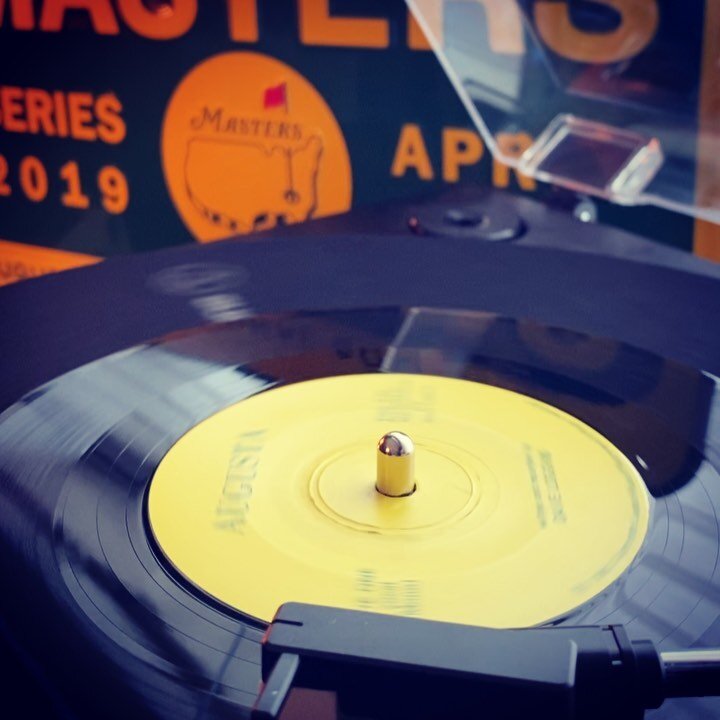
Video: New Cabot Cliffs Teaser
/Short but sweet, with Kiefer Sutherland narrating and images by Mike Robin.
Read More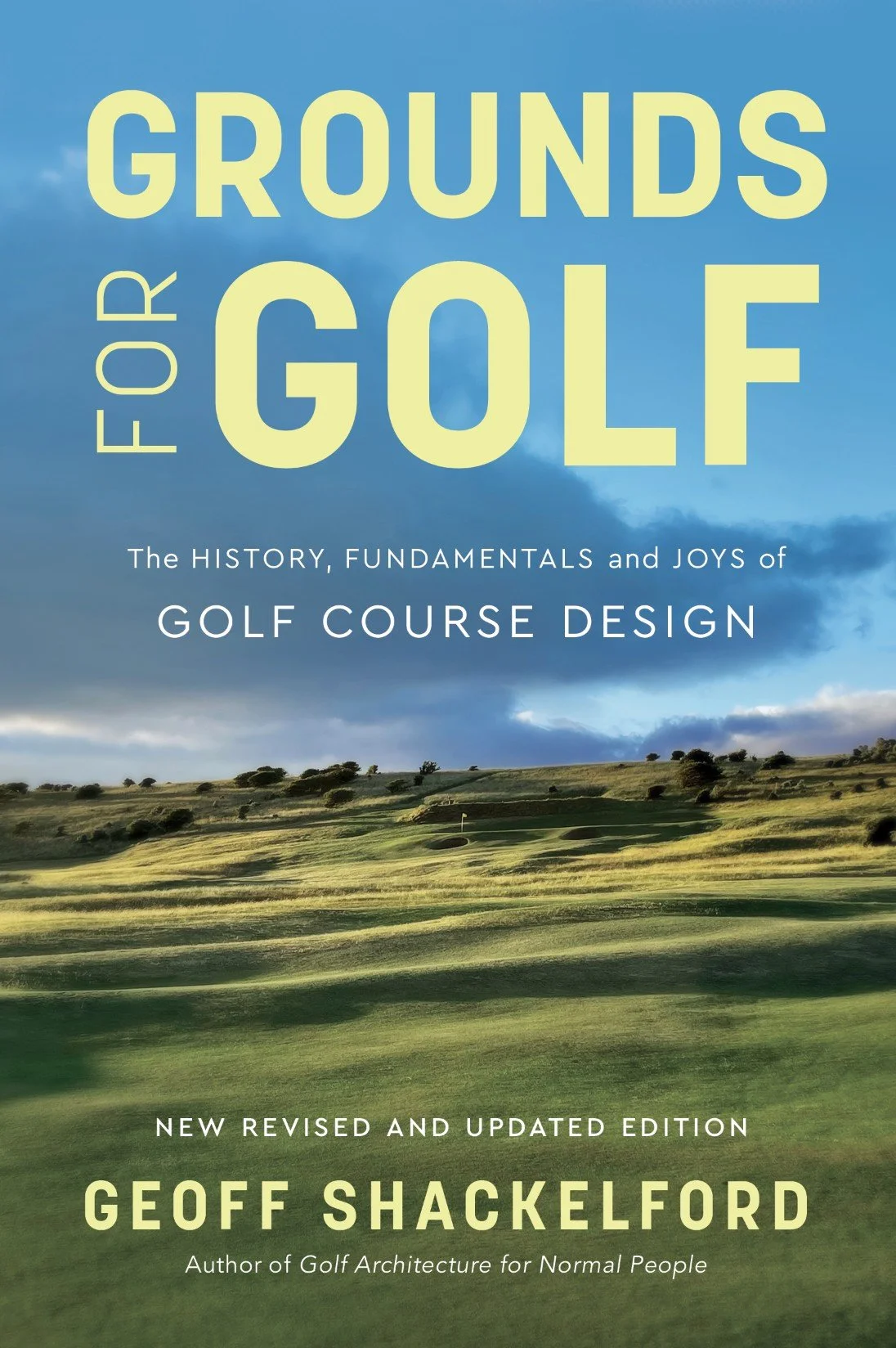
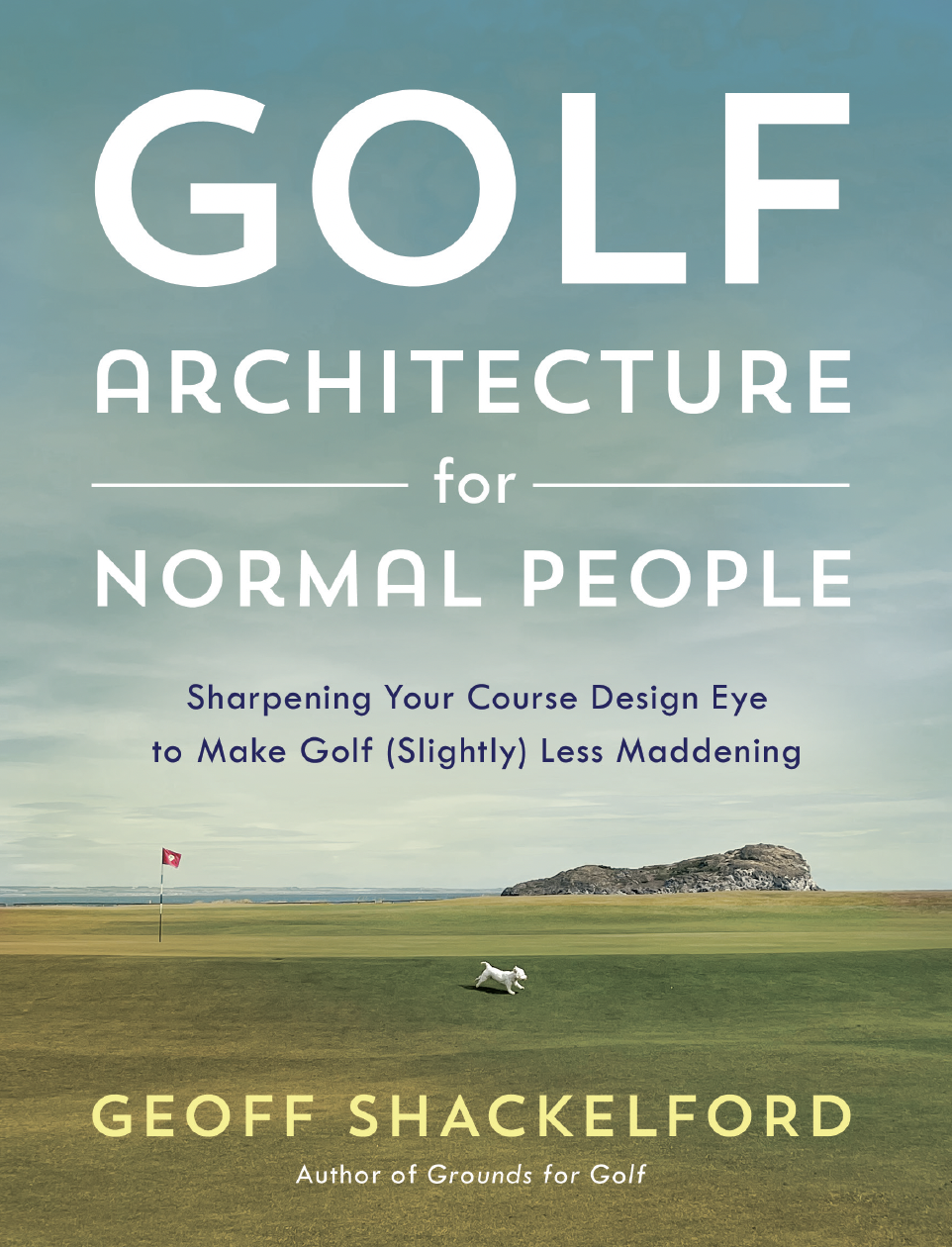
It’s back!
Twenty years later Tatra Press has kindly allowed me to bring back Grounds For Golf now that golf architecture is of more interest to the masses. A new Introduction looks at what’s driven the interest growth and two new chapters I had a blast adding (plus a few edits to keep things up-to-date).
The Amazon purchase page for the book arriving June 15, 2026.
CNBC's Jeff Cox files the stunning revelation coming out of University of Tennessee and Alabama labs confirming what we all feared: excessive CEO golfing can lead to weaker returns.
Of course, any CEO who still turns in scores at this point will actually confirm something about them to their shareholders, the researchers dug deep into handicap info to expose this disturbing finding.
Using the records from 363 chief executives in the S&P 1500, the study drew some conclusions sure to scare more than a few of them off the course.
For one, it found that executives who use their time to lower their handicaps also often lower their firms' returns. The study also concluded, not surprisingly, that these same executives who play more often than their peers are more likely to lose their jobs.
"Top traders want to know everything they can about a company before they get involved in a name—down to where its C-level executives dined the night before a big day of investor meetings, for example. You never know how an overdone steak or disagreeable conversation will affect their mood after all, and inadvertently the stock price," New York brokerage Convergex said in a note that unearthed the study from August 2014.
So that's what it's come to, eh? So it's dachshund racing in suits?
In companies where the CEOs played more than 22 rounds of golf a year the return on assets was about 1.1 percentage points lower than firms where the top executives played less frequently. That's significant because the average ROA for the sample was about 5.3 percent, so the performance was equal to about 20 percent lower.
"Some CEOs in the database play in excess of 100 rounds in a year!" the study said. "While some golf rounds may clearly serve a valid business purpose, it is unlikely that the amount of golf played by the most frequent golfers is necessary for a CEO to support her firm."
Here is the deeper analysis from CNBC...
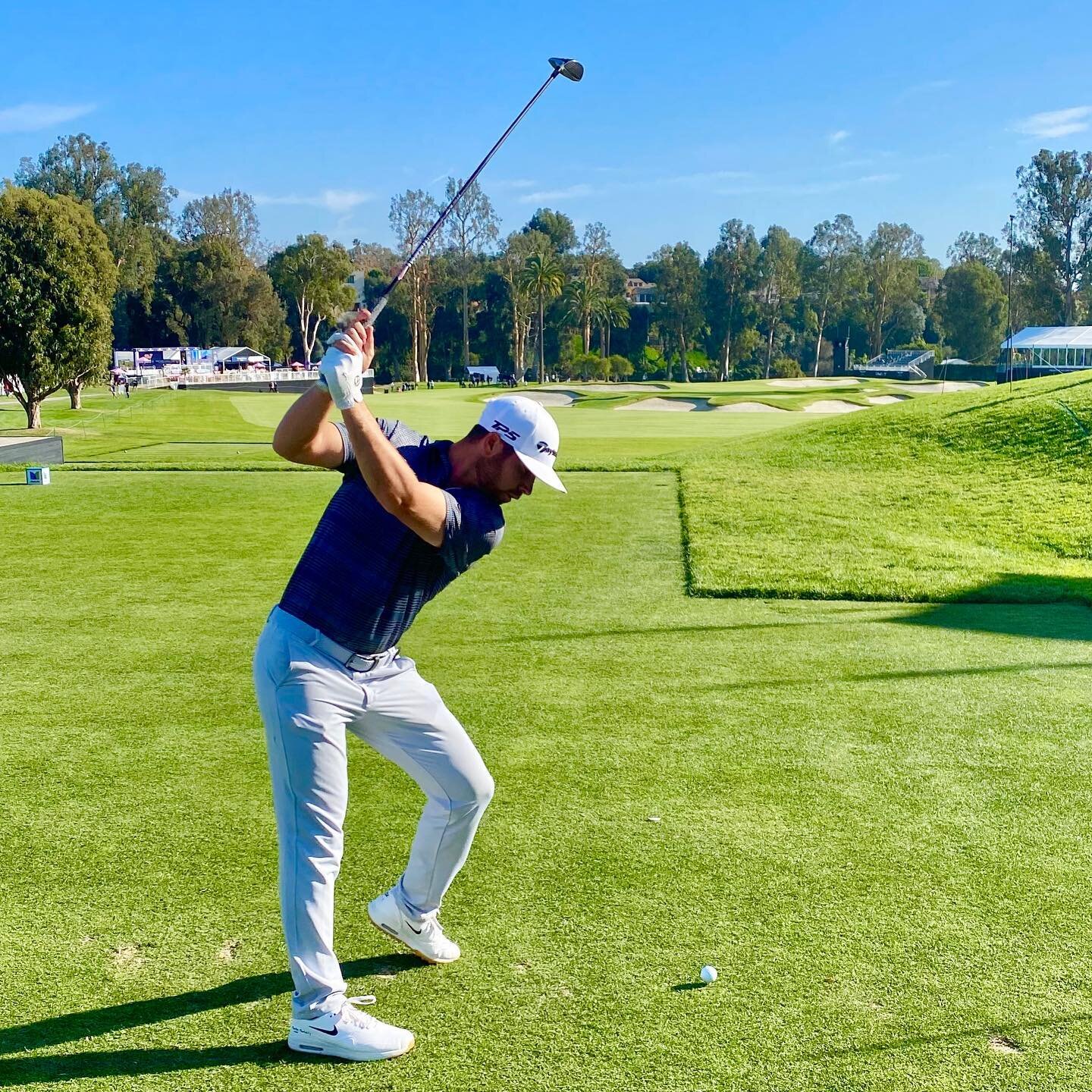
Here's a clever promotion involving Golf Digest's U.S. Open cover model, Dustin Johnson. From the folks at TaylorMade who deserve some points for an imaginative stunt that isn't totally out of the realm given Johnson's recent form: DJ wins, you either get a refund on the driver you bought in the month leading up to the U.S. Open, or you get a free one for filling out the PGA Tour Superstore form.
All the details here.
Last time we saw it on the PGA Tour, poor Tip O'Neill was stuck in a bunker and Corey Pavin won there barely making it to some of the fairways. But since then players started doing yoga, ditched the persimmons and even played a bunch of Q-School rounds at PGA West's Stadium course.
The iconic Pete Dye design returns to the Bob Hope Classic CareerBuilder Challenge In Partnership With The Clinton Foundation.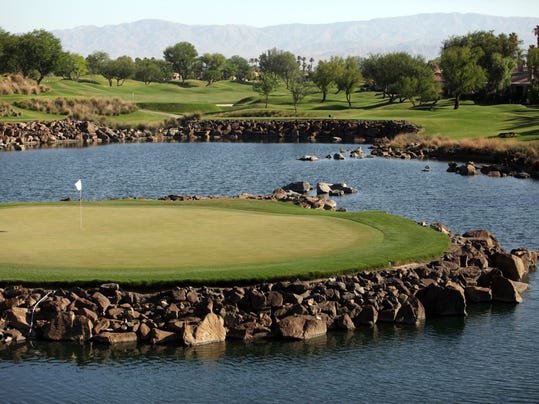 Larry Bohannan reports the addition of PGA West Stadium and the Nicklaus Tournament Course to replace the Nicklaus and Palmer private courses. It was, gulp, 29 years ago that the Stadium got its one shot at hosting the Hope.
The Stadium Course is famous in the desert for hosting the Skins Game from 1986 through 1991, but also for the one year it was played in the PGA Tour event known as the Bob Hope Classic. Designed by Pete Dye, the Stadium Course was different than almost any golf course in the course in 1987, and the scores reflected the course difficulty. Corey Pavin won the event, then a 90-hole tournament, at 19-under 341, well above the typical low winning scores of the time.
With an island green on the par-3 17th, a 200-yard carry over water on the par-3 fifth and a 20-foot-deep bunker on the par-5 16th, the Stadium Course presented strong challenges to the tour players and 384 amateurs in the field in 1987. The pros grumbled, with Ken Green saying the course needed a few sticks of dynamite and other players saying the one-year-old course was just unfair. The pace of play was slow for amateurs and celebrities, including Speaker of the House Thomas P. "Tip" O'Neill who found himself flailing away at the bottom of the bunker on the 16th hole on national television.
Geoff Shackelford is a Senior Writer for Golfweek magazine, a weekly contributor to Golf Channel's Morning

Copyright © 2022, Geoff Shackelford. All rights reserved.